
How to Prepare Your HVAC System for the Fall
To prepare your HVAC system for the fall, you should change your air filters, clean vents and registers, check your thermostat settings, clear debris around outdoor units, and schedule a professional maintenance visit. These simple steps ensure your heating system works efficiently when temperatures drop. Taking time now to prepare your HVAC system for the fall prevents unexpected breakdowns during the first cold snap and helps lower your energy bills throughout the season.
Table of Contents
| Fall HVAC Preparation Task | Frequency | DIY or Professional |
|---|---|---|
| Change air filters | Every 1-3 months | DIY |
| Clean vents and registers | Seasonally | DIY |
| Check thermostat settings | Seasonally | DIY |
| Clear outdoor unit debris | Monthly | DIY |
| Full system inspection | Annually | Professional |
Why Fall HVAC Maintenance Is Important
Fall marks the transition from cooling to heating in most homes. This seasonal shift means your HVAC system needs special attention. When you prepare your HVAC system for the fall, you’re ensuring it can handle the upcoming demands of winter.
Many homeowners skip fall maintenance and end up with heating problems during the first cold snap. Your system has likely been working hard all summer. Now it needs a tune-up before switching to heating mode.
Fall HVAC maintenance also helps you save money. A well-maintained system uses less energy to heat your home. This means lower utility bills throughout the colder months.
Benefits of Fall HVAC Preparation
When you properly prepare your HVAC system for the fall, you’ll enjoy several important benefits:
- Improved energy efficiency and lower utility bills
- Extended equipment lifespan
- Fewer unexpected breakdowns
- Better indoor air quality
- More consistent heating throughout your home
Taking time now for HVAC system preparation can prevent emergency repair calls during the coldest days of winter. This simple preventive care keeps your family comfortable when you need heat the most.
DIY Fall HVAC Maintenance Checklist
There are many tasks you can handle yourself to prepare your HVAC system for the fall. Let’s look at the most important DIY maintenance steps.
Replace Air Filters
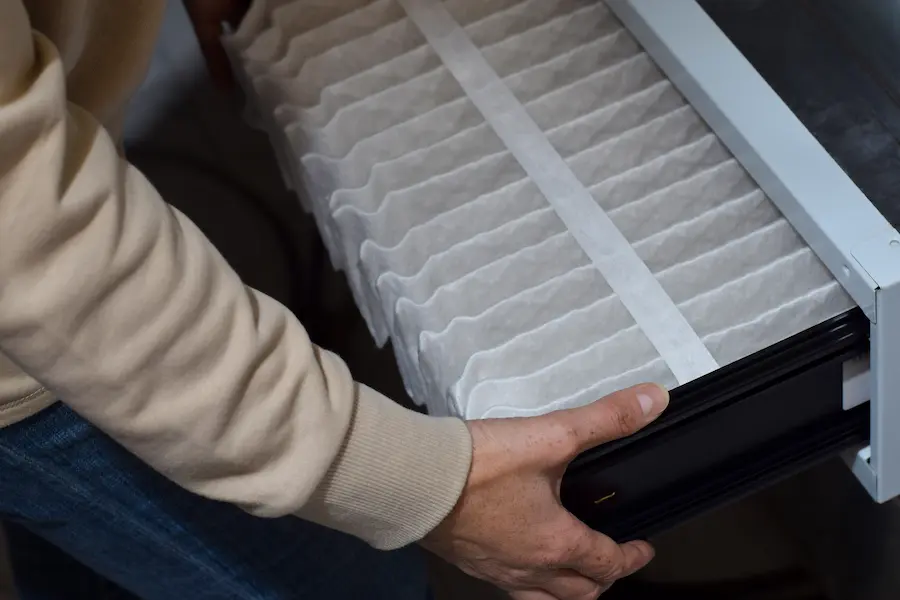
Changing your air filters is one of the easiest and most important HVAC tune-up tips. Dirty filters restrict airflow, making your system work harder. This wastes energy and can lead to system failures.
Most filters should be changed every 1-3 months. If you have pets or allergies, you might need to change them more often. Check your filter now and replace it if it looks dirty.
Clean filters also improve your indoor air quality. This is especially important during the fall when you’ll be spending more time indoors.
Clean Vents and Registers
Dust and debris can build up in your vents and registers over time. This blocks airflow and spreads dust throughout your home. As part of your fall HVAC maintenance, remove vent covers and vacuum inside the ducts as far as you can reach.
Wipe down the vent covers with a damp cloth before replacing them. Make sure all vents are open and not blocked by furniture or curtains. Blocked vents can create pressure imbalances in your HVAC system.
Check and Program Your Thermostat
Your thermostat settings should change with the seasons. When you prepare your HVAC system for the fall, take time to program your thermostat for cooler weather.
If you don’t have a programmable thermostat, consider upgrading. A smart thermostat can save up to 10% on heating costs by automatically adjusting temperatures when you’re away or sleeping.
Set your daytime temperature to 68°F when you’re home. Lower it by 7-10 degrees when you’re sleeping or away to save energy.
Clear Debris Around Outdoor Units
Fall brings leaves and debris that can clog your outdoor HVAC unit. As part of your HVAC system preparation, clear a 2-foot space around the unit. Remove leaves, twigs, and other debris that could block airflow.
Gently rinse the outside of the unit with a hose to remove dirt buildup. Make sure the unit is level, as shifting can occur over time.
If you have a heat pump, this step is especially important for fall HVAC maintenance. Your heat pump will work throughout the winter and needs good airflow.
Test Your Heating System
Before the first cold day arrives, test your heating system. Set your thermostat to heat mode and raise the temperature a few degrees. Listen for unusual noises and make sure warm air comes from all vents.
This simple test can identify problems before you really need heat. If something doesn’t seem right, you’ll have time to schedule repairs.
Professional Fall HVAC Maintenance Tasks
While DIY maintenance is important, some HVAC tune-up tips require professional skills. Scheduling a professional inspection is a crucial part of how to prepare your HVAC system for the fall.
What a Professional Inspection Includes
When a technician comes to prepare your HVAC system for the fall, they’ll perform several important tasks:
- Check electrical connections and components
- Lubricate moving parts to reduce friction
- Inspect the heat exchanger for cracks or damage
- Test safety controls and the startup cycle
- Check refrigerant levels (for heat pumps)
- Clean the blower assembly
- Calibrate the thermostat
These technical tasks require special tools and training. A professional can spot potential problems before they lead to system failure.
When to Schedule Professional Maintenance
The best time for professional fall HVAC maintenance is before you need heating regularly. Aim for early to mid-fall, typically September or early October.
Scheduling early has two benefits. First, HVAC companies are usually less busy before the heating season begins. Second, you’ll have time to address any issues before cold weather arrives.
Many HVAC companies offer maintenance plans that include regular tune-ups. These plans often provide priority scheduling and discounts on repairs.
Special Considerations for Different Heating Systems
Different heating systems need specific care when you prepare your HVAC system for the fall. Let’s look at what each type requires.
Furnace Preparation
If you have a gas furnace, fall HVAC maintenance should include checking the pilot light or ignition system. Make sure the flame is blue, not yellow, which could indicate a problem.
Replace the furnace filter and vacuum around the unit to remove dust. Check that the gas valve is fully open and listen for unusual sounds when the furnace runs.
For electric furnaces, check all electrical connections and heating elements. Both types benefit from professional inspection of the heat exchanger and blower motor.
Heat Pump Maintenance
Heat pumps work year-round, so they need special attention during HVAC system preparation. Check both the indoor and outdoor units for debris.
Make sure the defrost cycle works properly, as this is crucial for winter operation. The outdoor unit should be clear of snow and ice throughout winter.
A professional should check refrigerant levels and the reversing valve that switches between heating and cooling modes.
Boiler Systems
If your home uses a boiler, preparing for fall includes checking the water level and pressure. Bleed radiators to remove air that can block heat flow.
Inspect pipes for leaks or corrosion. Make sure the circulating pump runs smoothly without unusual noises.
A professional should check the pressure relief valve and other safety controls during fall HVAC maintenance.
Improving Energy Efficiency for Fall
Beyond basic maintenance, there are additional steps to prepare your HVAC system for the fall that improve energy efficiency.
Seal Air Leaks
Air leaks force your heating system to work harder. Check windows and doors for drafts and add weatherstripping where needed.
Seal gaps around pipes, vents, and electrical outlets with caulk or foam sealant. Pay special attention to the attic and basement, where major leaks often occur.
This simple step can reduce your heating costs by up to 20% when combined with proper HVAC system preparation.
Add or Upgrade Insulation
Good insulation keeps heat inside your home. Check your attic insulation level—most homes should have 12-15 inches.
Consider adding insulation to basement ceilings and crawl spaces. Proper insulation works with your fall HVAC maintenance to improve efficiency.
Insulating hot water pipes and heating ducts in unheated spaces also prevents heat loss.
Use Ceiling Fans Correctly
Ceiling fans can help distribute heat in winter. Reverse the fan direction to clockwise, which pushes warm air down from the ceiling.
Run fans at low speed to create gentle air circulation without cooling effects. This simple HVAC tune-up tip helps your heating system work more efficiently.
Signs Your HVAC System Needs Professional Attention
Sometimes when you prepare your HVAC system for the fall, you’ll notice issues that require professional help. Watch for these warning signs:
- Strange noises like banging, whistling, or grinding
- Uneven heating with cold spots in your home
- Yellow pilot light instead of blue
- System short-cycling (turning on and off frequently)
- Unusually high energy bills
- Burning smells when the heat runs
Don’t ignore these signs during your fall HVAC maintenance. Addressing problems early prevents more expensive repairs later.
If your system is more than 15 years old and showing problems, it might be time to consider replacement. Newer systems are much more energy-efficient.
Frequently Asked Questions About Fall HVAC Preparation
How often should I change my air filter in the fall?
You should check your air filter monthly during the fall and winter. Replace it every 1-3 months, or more frequently if you have pets, allergies, or notice it’s dirty. Clean filters are essential when you prepare your HVAC system for the fall.
Is it normal for my heating system to smell when I first turn it on?
A slight dusty smell when you first turn on your heating is normal and should disappear within a few hours. This is dust burning off heating elements. However, persistent burning smells, gas odors, or smoky smells are not normal and require immediate professional attention.
How much can I save with proper fall HVAC maintenance?
Regular fall HVAC maintenance can reduce your heating costs by 5-15%. The savings come from improved efficiency, fewer repairs, and extended equipment life. The small investment in HVAC system preparation pays for itself through lower utility bills.
Should I cover my outdoor AC unit during winter?
It’s not necessary to completely cover your outdoor AC unit. These units are designed to withstand the weather. However, you can place a piece of plywood weighted with bricks on top to prevent debris or ice from falling directly into the unit. Never wrap the unit in plastic, which can trap moisture and cause rust.
How long should my HVAC system last with proper maintenance?
With regular fall HVAC maintenance and proper care, most HVAC systems can last 15-20 years. Furnaces typically last 15-25 years, while heat pumps and air conditioners usually last 10-15 years. Proper maintenance is the key to maximizing your system’s lifespan.
Preparing for the Next Season
When you prepare your HVAC system for the fall, you’re also setting the stage for winter. Create a maintenance calendar to track filter changes and seasonal tune-ups.
Consider investing in a maintenance agreement with a trusted HVAC company. These plans typically include fall and spring tune-ups, priority service, and discounts on repairs.
Keep records of all maintenance and repairs. This history helps technicians diagnose problems and can be valuable when selling your home.
Stay Comfortable This Fall
Taking time to prepare your HVAC system for the fall ensures comfort and efficiency throughout the heating season. The simple maintenance steps outlined here can prevent the most common heating problems.
Remember that both DIY maintenance and professional service play important roles in HVAC system preparation. Change filters, clean vents, program your thermostat, and schedule a professional inspection before cold weather arrives.
Don’t wait until the first cold snap to discover heating problems. Contact Julian Heat & Air today to schedule your fall HVAC maintenance appointment. Our experienced technicians will ensure your system is ready to keep you comfortable all season long.