
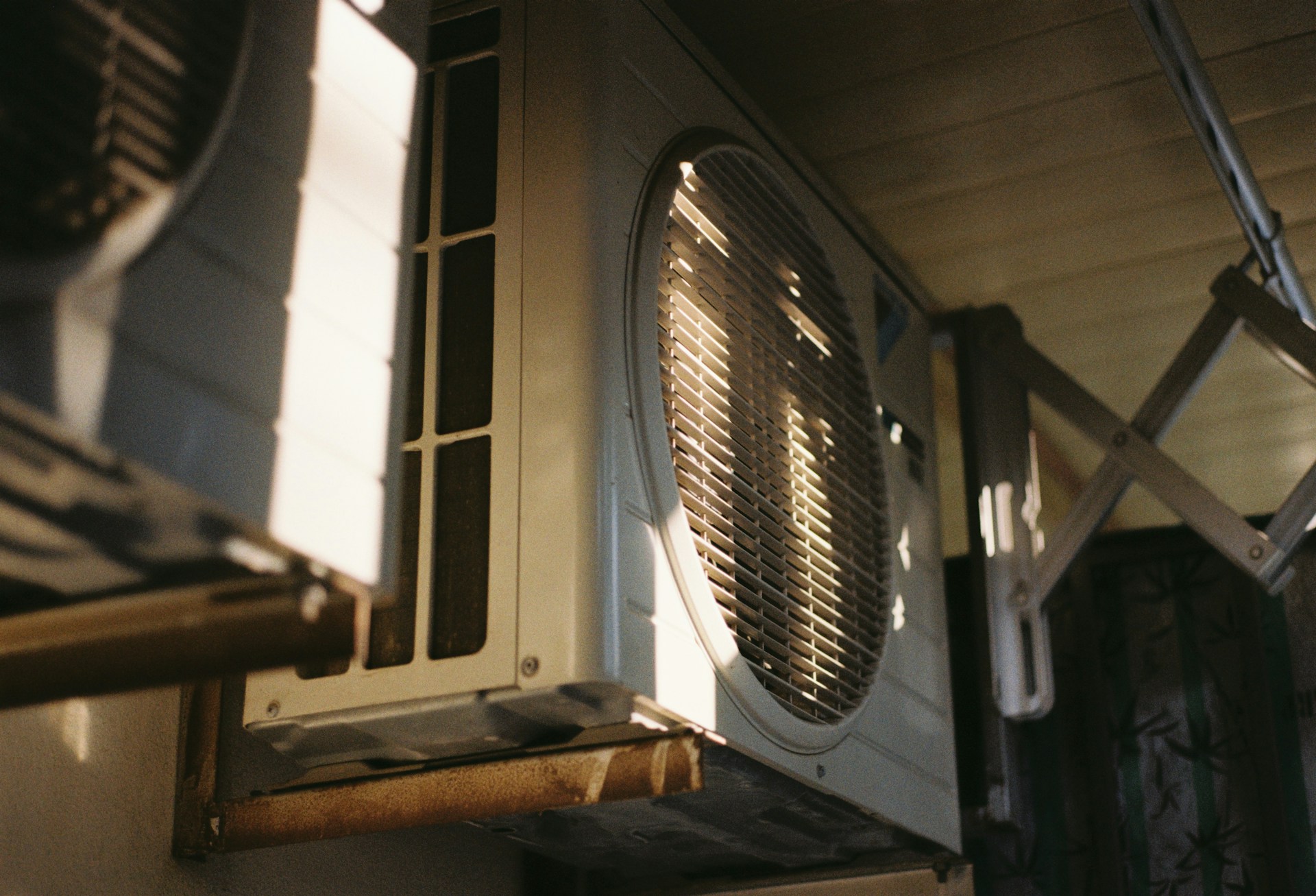
Heat Wave Survival Plan for Arkansas Homes
Arkansas heat can make your home feel like an oven if your AC is not ready. When the heat index hits triple digits and the air is thick with humidity, your system works harder, runs longer, and is more likely to quit when you need it most.
In this guide, we walk through a simple heat wave survival plan for your home. We will cover smart thermostat settings, easy load-shedding tricks like blinds and fans, when to pre-cool, how to spot trouble early, and what long-term steps help you avoid emergency HVAC repair on the hottest days.
Smart Thermostat Settings for Extreme Arkansas Heat
Your thermostat is the “brain” of your cooling system. A few smart settings can keep your home comfortable without pushing your AC to its limit.
For most Arkansas homes in summer, many families find comfort by keeping the house around 76 to 78°F when people are home and active, then bumping it slightly higher (around 78 to 80°F) when everyone is away. It also helps to make small adjustments, about 1 to 2 degrees at a time, rather than big swings that force the system to play catch-up.
If you set the thermostat very low, like 70°F or below, your AC will run almost nonstop. That can raise your power bill, add stress to older parts, and increase the chance of a breakdown and emergency HVAC repairs.
It is also smart to match your settings to the time of day. A programmable or smart thermostat can help you do this without constantly fiddling with the controls:
- Let the temperature rise a couple of degrees once the last person leaves
- Start cooling back down slowly about an hour before the first person returns
- Avoid big jumps that make your system work at full blast for long stretches
Humidity plays a big part in comfort here in Arkansas. Air that is 77°F and dry often feels better than 73°F and sticky. Instead of trying to “refrigerate” the whole house, aim for a steady temperature in the upper 70s, keep good air movement, and make sure your AC system is healthy enough to dehumidify properly. That balance keeps you comfortable and helps your equipment hold up during a long heat wave.
Load-Shedding Tricks with Blinds, Fans, and Heat Sources
Load-shedding just means cutting down the extra heat your AC has to remove. Small changes inside your home can make a big difference in how hard your system runs.
Start with your windows. Sun-facing glass can turn rooms into greenhouses, so it helps to manage sunlight throughout the day. Close curtains or blinds on east windows in the morning, then close them on west and south windows during the afternoon. If you have the option, light-colored shades or reflective films can also reduce heat gain.
Fans are your best friend in a heat wave. They do not cool the air, but they help your body feel cooler. Run ceiling fans so they blow air downward in summer, and use portable fans to move air in stuffy rooms. Since fans cool people, not spaces, turn them off when you leave the room.
Exhaust fans in kitchens and bathrooms can pull hot, moist air out, but do not leave them running all day because that can also pull conditioned air out of the home.
Next, look at indoor heat sources. During peak afternoon hours, try to shift heat-making activities to cooler times and use lower-heat alternatives:
- Avoid baking or using the oven for long stretches
- Grill outside or use smaller appliances like air fryers or microwaves
- Run dishwashers, clothes dryers, and other big heat-makers later in the evening
- Switch old incandescent bulbs to LED lighting that gives off far less heat
All of these steps lighten the load on your AC so it does not have to work quite as hard.
Pre-Cooling Strategies to Avoid Peak-day AC Failure
Pre-cooling means using the cooler hours of the day to “charge up” your home with cool air. This way, your AC does less work during the hottest part of the afternoon. The goal is not to turn your house into a freezer, but to give your system a head start so it is not stuck running at full tilt for hours during peak heat.
Here is a simple pre-cooling plan for a typical hot Arkansas day:
- Early morning: Set the thermostat 1 to 2 degrees lower than your usual comfort setting while outdoor temperatures are lower.
- Late morning: Return the thermostat to your normal setting. Close blinds and curtains on sun-facing windows.
- Afternoon peak: Allow the thermostat to rise 1 or 2 degrees above normal if you can, and turn on ceiling and portable fans.
- Evening: Once outdoor temperatures drop, you can lower the thermostat back into your comfort range if needed.
Keeping changes modest can lower strain and reduce the chance of needing emergency HVAC repair right when every system in town is struggling.
Spotting AC Trouble Early During a Heat Wave
When the heat is extreme, small AC problems show up fast. Catching these early signs can keep you safer and help avoid bigger damage.
Warning signs your system is struggling include:
- Warm or barely cool air coming from vents
- Weak airflow in some or all rooms
- Unusual noises such as grinding, squealing, or rattling
- Musty or burning smells
- The system running constantly but the indoor temperature barely dropping
- Ice on refrigerant lines or on the outdoor unit
There are a few simple things most homeowners can safely check before calling for service. Confirm the thermostat is set to “cool” and “auto” (not “on” for the fan only). Look at your air filter and replace it if it is dirty. Make sure no supply or return vents are blocked by furniture or rugs. Step outside and check the outdoor unit to be sure it is free of leaves, grass, or debris on the sides. You can also look at the electrical panel for a tripped breaker.
If you see any of the following, it is time to stop guessing and get professional help right away:
- A burning or electrical smell
- Water leaking around the indoor unit or ceiling staining under it
- Breakers that trip again after you reset them
- The system will not turn on at all, or only blows warm air
Fast attention can protect your home, your comfort, and your equipment.
Long-Term Upgrades to Protect Your Comfort
Short-term tricks help, but long-term care keeps your system ready for the next big heat wave. Regular maintenance is one of the best defenses you have.
Helpful habits include:
- Having a professional tune-up before the hottest part of the year
- Changing filters as often as recommended for your system and home
- Keeping indoor and outdoor coils clean so air and refrigerant can do their job
- Making sure air ducts are not blocked or crushed
If your system is older or struggles every summer, it may be time to think about upgrades. In many homes, older units, mismatched equipment, or systems that are too small or too large for the space have a hard time keeping up with Arkansas heat. Modern, high-efficiency equipment or added zoning can bring:
- More even temperatures room to room
- Better humidity control
- Less run time during peak heat
- A lower chance of surprise breakdowns
At Julian Heat & Air, we are a local, family-owned team in Heber Springs. We focus on honest guidance, long-term comfort, and 100 percent customer satisfaction. We do not push one brand. Instead, we look at your home, your comfort goals, and your budget, then share several clear options so you can choose what fits your family best.
Restore Comfort Fast With Reliable 24/7 HVAC Help
When your system quits in the middle of a heat wave or a cold snap, you should not have to wait for answers. At Julian Heat and Air, we are ready to respond quickly with trusted emergency HVAC repair that gets your home comfortable again. If you need help now or want to schedule service, just contact us and we will walk you through the next steps.