
Heat pumps vs furnaces—it’s a common debate for homeowners, especially those concerned with both their wallets and the environment. But figuring out the best option for you isn’t always a simple task. Choosing between the two involves understanding a few factors unique to your home and needs.
How Heat Pumps and Furnaces Work
To get started, let’s discuss how each system works. Understanding the fundamental differences between how they operate is essential in deciding which one best suits your needs.
Heat Pumps: Moving Heat, Not Making It
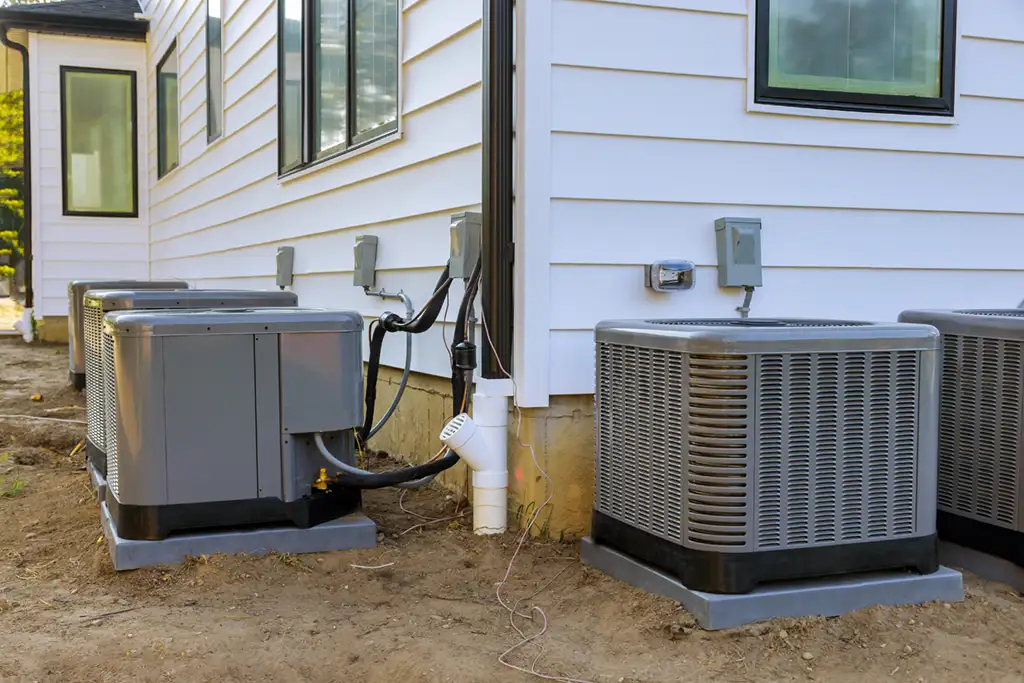
Imagine a refrigerator, but working in reverse—that’s essentially a heat pump. It doesn’t create heat directly; instead, it moves existing heat from one place to another. In the winter, it extracts heat from the outside air and transfers it indoors to keep your home warm.
In the summer, it reverses this process, pulling heat from inside your home and expelling it outdoors to cool things down. In regions where temperatures drop significantly low, traditional heat pumps might not always be the most efficient choice. This is where cold-climate heat pumps come into play as these systems are engineered to heat more efficiently in colder climates.
Furnaces: Tried and True Heat Generation
Gas furnaces operate through a more straightforward method. These systems generate heat by burning fuels like natural gas, propane, or oil. While reliable and capable of delivering powerful heat, they tend to be less energy-efficient compared to heat pumps.
Their reliance on fossil fuels does have environmental implications. Furnaces typically use a heat exchanger to heat the air, and this heat is then distributed throughout the house using ductwork. They are a common type of heating system found in many homes.
Factors To Consider When Choosing
Now, you might be wondering: which one’s better for me? To be honest, there’s no single “better” option – it’s about finding the right fit for your needs.
Climate Considerations
Heat pumps work best in milder climates where the temperature doesn’t consistently drop below freezing. Because remember, they’re pulling heat from the outside air, so when it’s extremely cold out there, there isn’t as much heat for the pump to transfer indoors. In places with milder winters, they can really shine.
In colder climates, furnaces are often considered the more reliable choice as they generate their own heat and are less dependent on outside temperatures. If your area has milder winters with the occasional cold snap, a dual-fuel system combining a heat pump with a gas furnace might be a good idea.
This setup lets you enjoy the energy efficiency of a heat pump in moderate weather and switch to the furnace for those super chilly days. When considering a furnace, you might explore options such as installing a ground-source heat pump or using a geothermal heat pump system. These alternatives can provide efficient heating by utilizing the earth’s natural heat.
Energy Efficiency: Costs and Savings Over Time
Heat pumps have a big advantage when it comes to energy efficiency in moderate climates. Remember, they are transferring heat, not creating it, meaning they use less energy, which can translate to lower energy bills. In fact, today’s heat pumps can potentially reduce your electricity use for heating by as much as 75% compared to systems like electric furnaces and baseboard heaters.
Heat pumps are known to be up to 3 times more efficient than gas furnaces. That being said, the actual savings depend a lot on the local climate and the cost of electricity versus the fuels used by furnaces in your area. For example, if you live in an area with high electricity rates, the energy savings from a heat pump may be less significant.
Installation Costs
While heat pumps can offer long-term energy savings, it is good to know that installing a heat pump typically costs between $2,500 and $10,000, which is more than the $700 – $3,300 cost of installing gas furnaces. If your home isn’t already set up for a heat pump, you may have to rewire to handle the additional electrical capacity—especially for those using a gas furnace.
Don’t forget that tax credits covering up to 30% of costs (with a cap of $2,000) might be available to help offset those initial installation expenses, making heat pumps more financially appealing. To learn more about home upgrades, visit the ENERGY STAR Home Upgrade platform(link is external). Make sure to check if your heat pump installation qualifies for any available tax credits.
Types: Going Beyond the Basics
It is helpful to know that heat pumps are not a “one-size-fits-all” kind of deal. For instance, air-source heat pumps are common and rely on outside air, but ground-source (geothermal) heat pumps pull heat from the earth for increased efficiency.
You could also consider a cold-climate heat pump. They provide reliable performance in those cooler temperatures. High-efficiency heat pumps also dehumidify better than standard central air conditioners, which translates to less energy usage and better comfort when it’s hot.
There’s also the mini-split heat pump, perfect for homes without existing ductwork, these use multiple indoor units for targeted temperature control. Furnaces also come in various types – from the standard natural gas versions to propane and oil options—each with its own quirks and considerations in terms of installation, fuel costs, and maintenance. Choosing the right type really comes down to factors like the layout of your home, whether you already have ductwork in place, and of course, your budget.
Maintenance: Keeping Things Running Smoothly
No matter which heating system you have, routine maintenance is key to keeping it running its best. But there are some differences in what’s involved. Heat pumps, with their outdoor unit exposed to the elements, might require a little more TLC in terms of cleaning and seasonal checks.
Heat pumps can be an attractive option compared to traditional air conditioners because some people appreciate the idea of a single system handling both their heating and cooling. While heat pumps and air conditioners might share some similarities in how they function, it is important to keep in mind they serve distinct purposes when it comes to your home’s temperature.
Electric furnaces, while remarkably efficient at transforming electricity into heat energy (boasting impressive AFUE rates ranging from 95-100%), rely exclusively on electrical power to generate heat.
Environmental Impact
Choosing a heating system isn’t just a practical decision, it’s also about considering your environmental footprint. Heat pumps are definitely the eco-friendly choice here as they utilize electricity and can significantly reduce greenhouse gas emissions, especially if your electricity source is renewable.
This can be a major factor for those looking to reduce their carbon footprint. On the other hand, gas furnaces, while offering that strong and familiar heat, do rely on the combustion of fossil fuels. This means they’ll produce carbon emissions, impacting the environment.
Making the Decision: Heat Pumps vs Furnaces
Choosing between heat pumps and furnaces is all about weighing what’s important for YOU:
- Live in a milder climate? Then a heat pump could be the ticket. These systems deliver fantastic energy savings while shrinking your environmental impact. You’ll also get the added perk of both heating AND cooling from one system.
- Experience freezing winters? This is where a furnace’s reliability with intense heat generation really stands out. Even though the initial cost may be less, don’t forget that the operating costs might be a tad higher compared to heat pumps due to fuel consumption. Also, keep in mind that some states are even offering financial incentives and rebates for going the energy-efficient route.
- Working with a tight budget but need both heating AND cooling? A heat pump could still be your thing, even with the higher upfront cost. In a place with relatively mild winters, this approach may even end up saving you money over time. Plus, remember those potential tax credits. That’s free money that you can put toward your new heat pump, potentially bringing down the installation cost significantly. Talk to your local HVAC pro, they’d be more than happy to crunch some numbers with you.
- On the other hand, if you value the strong, immediate warmth a furnace gives or you live in a super cold area, then a furnace might be more your speed, even though the initial cost might be lower.
Ultimately, there’s no one-size-fits-all answer. Weighing these factors with your specific needs, budget, and climate will help determine which heating solution reigns supreme. It’s a great starting point. Chatting with an HVAC professional to assess your specific requirements and get those tailored recommendations for your home is always a good idea. They’ve seen it all and know how to navigate all the factors to ensure your home is comfortable year-round.
Conclusion
So there you have it—the lowdown on heat pumps vs furnaces. It can feel like a tough call, right? By weighing your priorities, talking to the experts, and carefully thinking through what works for your unique situation, you’ll make a choice that will keep your home comfortable year after year.
Contact us today for more information or to schedule a free consultation.