
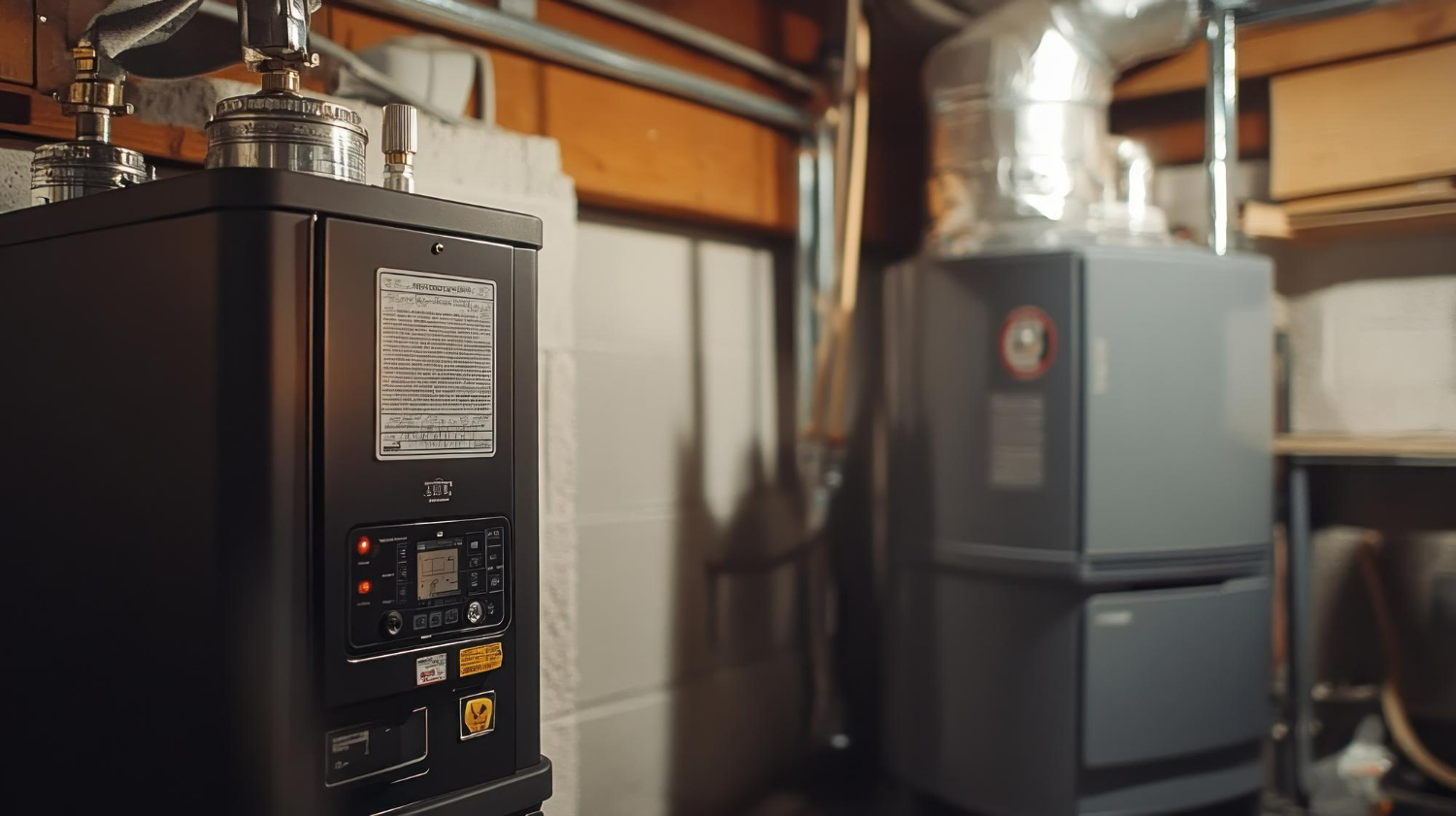
Everyday Habits That Quietly Damage Your Home’s Furnace
Small choices around the house can slowly wear down your furnace without you even noticing. Things like where you set your thermostat, how often you check your air filter, or what you store near the unit all add up over time. The furnace still runs, so it feels “fine,” but inside, parts may be straining and aging faster than they should.
In Heber Springs and the surrounding Arkansas communities, we see this a lot. Cool nights roll in, the first cold snap hits, and that is when quiet damage finally shows up as a breakdown. With some simple furnace maintenance habits, you can avoid many of these problems, keep your home comfortable, and protect a big investment in your HVAC system.
Small Everyday Habits That Shorten Your Furnace’s Life
Most people think furnace trouble comes from big events, like a major part failure. In reality, it is usually the little day-to-day habits that do the most damage. They are easy to overlook because the heat still comes on, at least for a while.
Some common examples are:
- Forgetting to check or change the air filter
- Blocking vents with rugs, curtains, or furniture
- Constantly changing thermostat settings
- Ignoring odd sounds or smells from the unit
When we focus on simple, proactive furnace maintenance instead of waiting for something to break, the system usually lasts longer and runs more smoothly. As a local, family-owned HVAC company, we care about helping our neighbors understand these small habits so you can make smart choices for your home, not just buy new equipment before you really need it.
Ignoring Air Filters and Airflow Restrictions
Airflow is like your furnace’s breathing. If it cannot “breathe,” your system has to work much harder to move heat through your home.
Skipping filter changes or using the wrong type
A dirty or overly restrictive filter makes the blower motor strain. That can mean:
- Higher energy bills
- Hotter internal temperatures in the furnace
- Extra wear on motors and safety controls
A simple habit is to check your filter every month. In many homes, changing it every 1 to 3 months works well. Signs it is time to swap it out include:
- You cannot see light through the filter
- It looks gray or packed with dust
- You notice more dust on furniture
Blocking vents and returns with furniture or rugs
Closed or blocked vents do not “save” heat. They actually unbalance the system. When vents or return grilles are covered, the furnace can overheat or short cycle, turning on and off too often.
Try to:
- Keep furniture, beds, and rugs a few inches away from vents
- Make sure return grilles on walls or ceilings are not hidden by curtains or shelves
- Leave most vents open in commonly used rooms
DIY “fixes” that choke airflow
Some quick tricks seem helpful but cause trouble later. Taping off rooms, covering vents to push more heat elsewhere, or using thick aftermarket filters that your system was not designed for can all restrict airflow.
Good airflow is a key part of long-term furnace maintenance. When air moves the way it should, you get more even comfort throughout the home and less strain on your equipment.
Thermostat Habits That Quietly Wear Out Your Furnace
The way you use your thermostat has a big effect on how often your furnace cycles on and off.
Constantly cranking the thermostat up and down
Pushing the temperature way up when you are cold will not heat the house faster; it just makes the furnace run longer. When you bounce the temperature up and down all day, the furnace has more start-stop cycles, which is hard on motors and ignition parts.
For mild Arkansas winters, many homeowners like:
- A steady daytime setting in the upper 60s to low 70s
- A small setback of a few degrees at night
- Simple daily schedules instead of big swings
Overusing emergency heat or running the fan the wrong way
If you have a heat pump with a backup heat source, the “Emergency Heat” setting should only be used if the heat pump is not working. Using it all the time can cause high energy use and more stress on the backup heat system.
On fan settings, “Auto” usually works best for most homes. The fan runs only when the furnace or AC is on. “On” can help with air mixing in some cases, but it also means the fan runs nonstop, which can add wear and pull unconditioned air through leaks.
Relying on outdated or poorly placed thermostats
A thermostat near a drafty door, sunny window, or heat source can trick the furnace. The system may cycle too often or shut off too soon.
Upgrading to a modern programmable or smart thermostat can help keep temperatures steady and support better furnace maintenance. It also helps when the thermostat is chosen and set up for your specific home, not just a one-size-fits-all option.
Skipping the “Small Stuff” That Becomes Big Furnace Problems
Little warning signs are easy to brush off, especially when the heat still works. But those “small” issues are often the first clues that something deeper is wrong.
Ignoring unusual sounds, smells, or short cycling
Pay attention if you notice:
- Banging, rattling, or squealing sounds
- Burning or sharp chemical smells
- The furnace turning on and off every few minutes
Catching these signs early can prevent bigger, more expensive problems. It is also safer for your family, since some issues can be related to combustion or electrical parts.
Letting dust and clutter build up around the furnace
Many people use the furnace room or closet as storage. Boxes, paint cans, and other items too close to the unit can be a fire risk and can block airflow.
A quick checklist:
- Keep a clear space around the furnace
- Do not store flammable items, like paint or gasoline, nearby
- Make sure the area is easy for a technician to access
Never scheduling professional tune-ups
“If it is running, it is fine” sounds good until the first cold night when it stops working. Professional furnace maintenance visits usually include inspection, cleaning, and testing of safety controls. This helps spot worn parts and small leaks before they become big repairs.
When we inspect systems, we explain what we find in clear terms and offer options. Some problems can be watched, some can be repaired, and in some cases, replacement is worth considering. The goal is to help you decide, not to push one specific brand or solution.
Pushing an Aging Furnace Too Hard for Too Long
At some point, every furnace reaches the end of its useful life. How you treat it near that point can make a big difference in comfort and reliability.
Running an undersized or struggling furnace nonstop
If your furnace runs almost all the time during cold snaps, it may be undersized, have duct problems, or simply be wearing out. Constant running causes:
- Extra wear on motors and heat exchangers
- Higher utility bills
- More frequent breakdowns
- Ignoring energy bill spikes and comfort issues
Rising gas or electric bills, hot and cold spots in different rooms, or longer run times all point to lower efficiency. These are quiet signs that something inside the system is not working like it used to.
It helps to:
- Glance at your energy bills each month
- Note any sudden jumps or steady increases
- Pay attention to rooms that never feel quite right
Putting off replacement when repairs stack up
There comes a point where frequent repairs are a signal, not just bad luck. When you keep fixing the same old system, you might be putting more money into it than it is worth.
A helpful approach is to look at:
- How often you have needed repairs lately
- How old the furnace is
- Whether comfort and efficiency have dropped
When replacement makes sense, we like to present multiple equipment options at different levels. Since we do not carry only one brand, we can focus on what fits your home and budget, not what a single manufacturer offers.
Simple Steps to Protect Your Furnace Before Next Winter
You do not have to become an HVAC expert to take better care of your furnace. A few simple habits can make a big difference.
The most common damaging habits to watch for are:
- Neglected air filters and blocked airflow
- Thermostat misuse and big temperature swings
- Ignored warning signs like noise, smells, and short cycling
- Clutter and dust around the furnace area
- Skipped professional checkups, especially on older units
A quick seasonal checklist for late summer or early fall:
- Check and change your air filter
- Walk through the house and clear vents and returns
- Set simple, steady thermostat schedules
- Clear space around the furnace and remove storage
- Plan a professional furnace maintenance visit before cold weather
By building these habits into your yearly routine, you help your furnace last longer, run more safely, and keep your family more comfortable when temperatures drop. Thoughtful care and honest information are the best tools you have to protect your home’s heating system.
Keep Your Home Warm And Safe With Expert Furnace Care
Reliable heat starts with consistent furnace maintenance tailored to your home and equipment. At Julian Heat and Air, we inspect, clean, and fine-tune your system so it runs efficiently, safely, and with fewer surprise breakdowns. If you are ready to schedule service or have questions about your heating system, contact us today.