
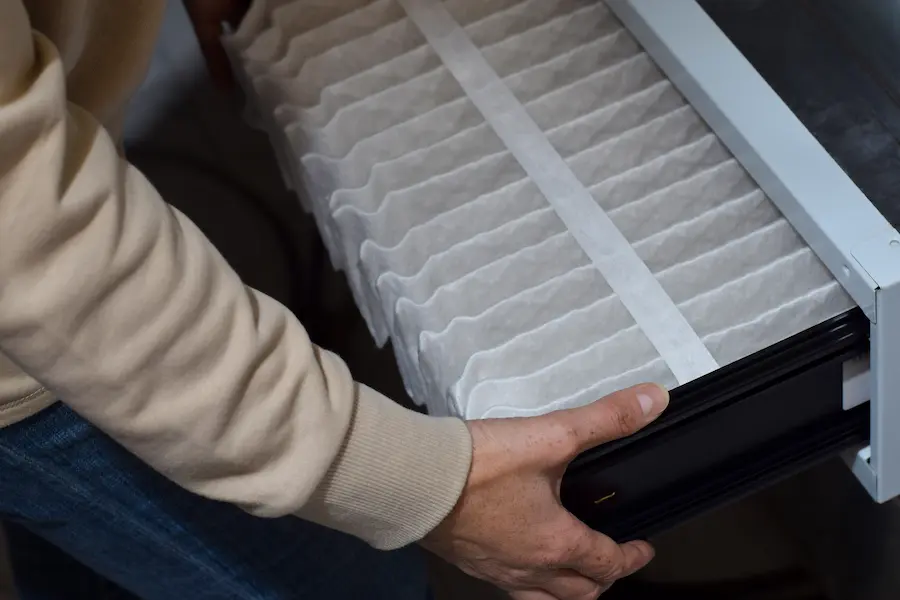
Understanding Air Filter Replacement Frequency During High Allergy Season
During high allergy season, you should replace your air filters every 30-45 days instead of the standard 90 days. This increased air filter replacement frequency during high allergy season helps trap more pollen, dust, and allergens circulating in your home. People with allergies or asthma may need to change filters even more often—every 20-30 days—especially when pollen counts are high. Clean filters improve your indoor air quality and help your HVAC system run more efficiently.
Normal Replacement Schedule vs. Allergy Season Schedule
Understanding when to change your air filters is important for maintaining good indoor air quality. Let’s look at how your air filter replacement frequency during high allergy season differs from normal times.
Standard Replacement Timeline
Under normal conditions, most manufacturers recommend replacing standard 1-inch air filters every 60-90 days. This timeline works well during seasons with lower pollen counts and fewer airborne particles. Homes without pets or allergy sufferers can sometimes stretch this to the full 90 days without issues.
However, this standard timeline doesn’t account for the increased airborne allergens present during peak allergy seasons. Your filter gets dirty much faster when there’s more stuff in the air to catch.
Allergy Season Adjustments
During high allergy season, air filter replacement frequency should increase significantly. Experts recommend changing filters every 30-45 days during these peak periods. This shorter timeline helps your HVAC system capture more allergens before they circulate through your home.
For households with allergy or asthma sufferers, you might need to replace filters even more frequently—every 20-30 days. This increased air filter replacement frequency during high allergy season provides better protection when you need it most.
Factors Affecting Replacement Frequency
Several factors can influence how often you need to change your air filters:
- Filter quality: Higher MERV-rated filters (10-13) trap more allergens but may clog faster
- Home occupancy: More people and pets mean more particles in the air
- Local pollen counts: Higher counts require more frequent changes
- Home location: Homes near construction sites or busy roads collect more dust
- HVAC usage: Systems running constantly during extreme weather need more frequent filter changes
By adjusting your air filter replacement frequency during high allergy season, you can significantly reduce the amount of allergens circulating in your home.
Signs Your Air Filter Needs Replacement During Allergy Season
Even with a regular schedule, sometimes your air filter needs changing sooner than expected. Here are clear signs that it’s time to replace your air filter during allergy season, regardless of when you last changed it.
Visual Indicators
The most obvious sign is a visibly dirty filter. Hold your filter up to a light source. If you can’t see light passing through it, it’s time for a replacement. During high allergy season, your filter may appear gray, yellow, or even have a greenish tint from pollen buildup.
You might also notice dust collecting around your vents. This happens when your filter is too clogged to trap particles effectively. The proper air filter replacement frequency during high allergy season prevents this dust buildup.
Allergy Symptom Increases
If family members experience worsening allergy symptoms inside your home, your air filter might be overdue for replacement. Watch for:
- More frequent sneezing or coughing
- Itchy or watery eyes
- Increased asthma attacks
- Unexplained headaches
- Worsening symptoms in the morning or after the HVAC system runs
These symptoms often improve after installing a fresh filter. Maintaining the proper air filter replacement frequency during high allergy season helps keep these symptoms under control.
HVAC Performance Issues
A clogged filter makes your HVAC system work harder. You might notice:
- Longer running times to reach desired temperatures
- Reduced airflow from vents
- Higher energy bills
- Strange noises from your HVAC system
- Uneven cooling or heating in different rooms
These performance issues signal that your filter is restricting airflow. Increasing your air filter replacement frequency during high allergy season prevents these problems and extends the life of your HVAC system.
Benefits of Frequent Air Filter Replacement
Maintaining the proper air filter replacement frequency during high allergy season offers numerous benefits beyond just cleaner air. Let’s explore why this simple maintenance task is so important.
Improved Indoor Air Quality
The most obvious benefit is cleaner air throughout your home. Fresh filters can remove up to 99% of airborne allergens, depending on the filter type. This includes pollen, dust mites, pet dander, and mold spores.
For allergy sufferers, this reduction in airborne particles can mean the difference between constant symptoms and comfortable breathing. Children and elderly family members, who often have more sensitive respiratory systems, benefit greatly from the improved air quality that comes with proper air filter replacement frequency during high allergy season.
Health Benefits
Beyond comfort, regular filter changes provide significant health benefits:
- Reduced allergy and asthma triggers
- Fewer respiratory infections
- Better sleep quality
- Decreased exposure to airborne bacteria and viruses
- Lower risk of long-term respiratory issues
A study by the Environmental Protection Agency found that indoor air can be 2-5 times more polluted than outdoor air. Proper air filter replacement frequency during high allergy season helps combat this problem.
HVAC System Protection
Your HVAC system benefits too. Clean filters allow proper airflow, which:
- Reduces strain on system components
- Prevents overheating
- Extends the lifespan of your equipment
- Improves energy efficiency
- Reduces the need for costly repairs
Many HVAC professionals report that a significant percentage of system failures are related to improper maintenance, including neglected filter changes. By maintaining the proper air filter replacement frequency during high allergy season, you’re protecting your investment in your home’s comfort system.
Choosing the Right Air Filter for Allergy Season
Not all air filters are created equal, especially when it comes to trapping allergens. Understanding filter ratings and types helps you select the best option for allergy season.
Understanding MERV Ratings
MERV (Minimum Efficiency Reporting Value) ratings indicate how effectively a filter traps particles. The scale runs from 1-20, with higher numbers indicating better filtration:
- MERV 1-4: Captures large particles but ineffective for allergens
- MERV 5-8: Traps some pollen and mold spores
- MERV 9-12: Good for allergy sufferers, captures most allergens
- MERV 13-16: Excellent for allergies, traps tiny particles including bacteria
- MERV 17-20: Hospital-grade filtration (rarely used in homes)
For most allergy sufferers, MERV 11-13 provides excellent protection without restricting airflow too much. Remember that higher MERV ratings may require more frequent changes, affecting your air filter replacement frequency during high allergy season.
Filter Types for Allergy Season
Several filter types are particularly effective during allergy season:
Pleated Filters: These filters have more surface area to trap particles. They’re available in various MERV ratings and are excellent for capturing pollen and dust.
Electrostatic Filters: These use an electric charge to attract and trap allergens. They’re very effective but may cost more than standard filters.
HEPA Filters: While not compatible with all HVAC systems, portable HEPA air purifiers can supplement your main system during peak allergy season.
Washable Filters: These reusable options can save money but require thorough cleaning to remain effective. They typically have lower MERV ratings than disposable options.
Balancing Filtration and Airflow
While it’s tempting to choose the highest-rated filter available, balance is important. Very dense filters can restrict airflow, making your system work harder. This can lead to:
- Increased energy consumption
- System strain and potential damage
- Reduced heating and cooling efficiency
- Higher utility bills
Always check your HVAC manufacturer’s recommendations before upgrading to a higher MERV filter. Some older systems cannot handle high-efficiency filters. Regardless of the filter type, maintaining proper air filter replacement frequency during high allergy season remains essential.
DIY Air Filter Replacement Tips
Replacing your air filter is a simple DIY task that takes just a few minutes. Here’s how to do it properly and safely during allergy season.
Step-by-Step Replacement Guide
Follow these simple steps to replace your air filter:
- Turn off your HVAC system at the thermostat for safety.
- Locate your filter – typically found in the return air duct or at the air handler unit.
- Remove the filter cover or grill if your system has one.
- Note the airflow direction arrow on your old filter before removing it.
- Carefully remove the old filter without shaking it to avoid releasing trapped allergens.
- Place the old filter directly into a trash bag and seal it.
- Insert the new filter with the arrow pointing in the same direction as the old one (toward the HVAC unit).
- Replace the cover or grill securely.
- Turn your system back on at the thermostat.
The entire process should take less than 10 minutes. Maintaining this routine according to the recommended air filter replacement frequency during high allergy season keeps your system running efficiently.
Common Mistakes to Avoid
Even with such a simple task, there are some common mistakes to avoid:
- Installing the filter backward: Always check the arrow direction.
- Buying the wrong size: Measure your old filter or check your HVAC manual for the correct dimensions.
- Forgetting to change it: Set calendar reminders based on the recommended air filter replacement frequency during high allergy season.
- Using the wrong MERV rating: Check your system’s specifications before upgrading to a higher-rated filter.
- Leaving gaps around the filter: Ensure the filter fits snugly to prevent air bypass.
Creating a Replacement Schedule
To maintain the proper air filter replacement frequency during high allergy season, create a simple schedule:
- Mark your calendar or set phone reminders for filter changes
- Write the installation date on the filter frame with a marker
- Consider subscribing to a filter delivery service that ships new filters when it’s time to change
- Adjust your schedule based on local pollen forecasts
- Keep spare filters on hand so you’re ready when allergy season hits
Some smart thermostats can even remind you when it’s time to change your filter based on system runtime. This technology helps you maintain optimal air filter replacement frequency during high allergy season without having to remember on your own.
Current Pollen Conditions in Heber Springs, AR (2025)
Residents of Heber Springs, Arkansas are experiencing particularly high pollen levels this allergy season. Understanding local conditions helps you adjust your air filter replacement frequency during high allergy season.
Heber Springs Pollen Report
As of spring 2025, Heber Springs is experiencing extremely high pollen counts. The current readings show:
- Tree pollen: Very high (primarily oak, pine, and cedar)
- Grass pollen: Moderate to high (increasing as summer approaches)
- Weed pollen: Low to moderate (will increase later in the season)
- Mold spores: Moderate (higher after recent rainfall)
The Arkansas Department of Health has issued allergy alerts for Cleburne County, where Heber Springs is located. Local meteorologists predict these high levels will continue for at least the next 4-6 weeks as the spring blooming season progresses.
Local Factors Affecting Air Quality
Several factors make Heber Springs particularly susceptible to high pollen counts:
- The abundant forests surrounding Greers Ferry Lake produce significant tree pollen
- Agricultural activities in the region contribute to grass and weed pollen
- The humid climate creates ideal conditions for mold growth
- Recent mild winters have led to earlier and more intense pollen seasons
- Wind patterns often carry pollen from surrounding areas into the Heber Springs region
These conditions make proper air filter replacement frequency during high allergy season especially important for Heber Springs residents.
Recommendations for Heber Springs Residents
Given the current high pollen counts, residents should:
- Increase air filter replacement frequency during high allergy season to every 20-30 days
- Consider upgrading to MERV 11-13 filters during peak pollen season
- Keep windows closed, especially during morning hours when pollen counts are highest
- Remove shoes and change clothes after spending time outdoors
- Consider additional air purification methods for bedrooms and frequently used spaces
Local HVAC professionals report a significant increase in service calls related to allergy concerns. Many are recommending more frequent filter changes than the standard schedule. Maintaining proper air filter replacement frequency during high allergy season is particularly crucial in Heber Springs this year.
Conclusion: Optimizing Your Air Filter Replacement Frequency During High Allergy Season
Maintaining the proper air filter replacement frequency during high allergy season is one of the most effective ways to improve your indoor air quality. For most homes, this means changing filters every 30-45 days during peak pollen seasons instead of the standard 90-day schedule. Households with allergy sufferers should consider even more frequent changes—every 20-30 days.
Remember that visual inspections are important too. If your filter looks dirty before the scheduled replacement, change it immediately. The small cost of more frequent filter replacements is far outweighed by the benefits: improved health, better HVAC performance, and lower energy bills.
For Heber Springs residents dealing with the current high pollen counts, being vigilant about air filter replacement frequency during high allergy season is especially important. Consider upgrading to higher MERV-rated filters and implementing additional air quality measures during this challenging allergy season.
Don’t let allergies keep you from enjoying the beautiful Arkansas spring. With proper air filter maintenance, you can breathe easier, knowing you’re doing everything possible to keep your indoor air clean and healthy.
Ready to Breathe Easier This Allergy Season?
If you’re concerned about your indoor air quality or need help selecting the right filters for your HVAC system, our team is here to help. We can assess your home’s specific needs and recommend the optimal air filter replacement frequency during high allergy season for your situation. Contact Julian Heat and Air to schedule an appointment and take the first step toward cleaner, healthier air in your Heber Springs home!