
How to Lower Humidity Levels in Your House Naturally
High humidity in your home can make you feel sticky and uncomfortable. It can also cause mold, mildew, and damage to your house. The good news is that you can lower humidity levels in your house naturally without expensive equipment. Natural methods like better air flow, using certain plants, and simple household items can help dry out your home. These easy fixes can make your home feel better and protect it from moisture damage.
Table of Contents
Understanding Humidity in Your Home
Humidity is the amount of water vapor in the air. When your home has too much humidity, it feels muggy and uncomfortable. The ideal indoor humidity level is between 30% and 50%. Anything higher can lead to problems.
High humidity doesn’t just make you feel uncomfortable. It creates a perfect environment for mold and dust mites to grow. These can trigger allergies and breathing problems. Your furniture, books, and electronics can also get damaged when there’s too much moisture in the air.
Several things can cause high humidity in your home. Everyday activities like cooking, showering, and even breathing add moisture to the air. Poor ventilation traps this moisture inside. Weather conditions outside, especially during summer months, can also make indoor humidity worse.
Signs of High Humidity
Knowing the signs of high humidity helps you take action before problems get worse. Here are some common signs to watch for:
Physical Signs in Your Home
Water stains on walls or ceilings are a clear sign of excess moisture. You might notice peeling wallpaper or paint bubbling up. Wooden doors, windows, or furniture may swell and become hard to open or close.
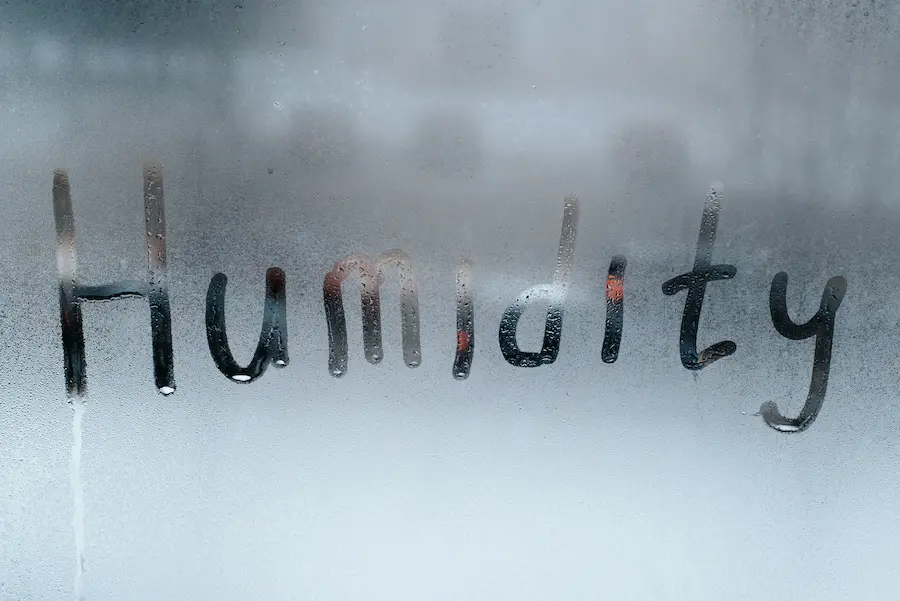
Condensation on windows is another obvious sign. When you see water droplets forming on the inside of your windows, that means there’s too much moisture in the air. This is especially common in the morning or during cold weather.
Health and Comfort Issues
High humidity can make you feel hotter than it actually is. You might feel sticky or clammy even when the temperature isn’t very high. Some people experience trouble sleeping when humidity levels are too high.
You might notice more allergy symptoms or breathing problems. This happens because mold, mildew, and dust mites thrive in humid environments. If family members are sneezing more or having asthma flare-ups, humidity could be the culprit.
Mold and Mildew Growth
Black or green spots on walls, ceilings, or in corners are signs of mold growth. Check dark, damp areas like bathrooms, basements, and closets regularly. Mold often has a musty smell that you might notice before you see it.
Mildew on fabrics and furniture is another sign. Check curtains, upholstery, and clothes in closets for discoloration or musty odors. Mildew can damage these items permanently if not addressed.
Natural Methods to Reduce Humidity
You don’t need expensive equipment to lower humidity in your home. Here are some natural methods that work well:
Improve Ventilation
Opening windows creates cross-ventilation that helps moisture escape. Try opening windows on opposite sides of your house to create airflow. This works best on days when outdoor humidity is lower than indoor humidity.
Use exhaust fans in bathrooms and kitchens when showering or cooking. These activities release a lot of moisture into the air. The fan should run during these activities and for about 20 minutes afterward to remove excess humidity.
Ceiling fans help circulate air throughout rooms. This prevents moisture from settling in corners or on surfaces. Set your fans to rotate counterclockwise in summer to create a cooling downdraft.
Natural Absorbents
Rock salt is a powerful natural dehumidifier. Fill a bowl with rock salt and place it in humid areas. The salt will absorb moisture from the air. Replace it when it becomes wet or dissolves.
Baking soda also absorbs moisture effectively. Place open containers in closets, under sinks, or in other damp areas. Replace the baking soda every few months or when it becomes hard.
Charcoal briquettes work similarly to absorb excess moisture. Put them in a decorative bowl or cloth bag and place them in problem areas. Unlike salt, charcoal won’t dissolve, but it will need to be replaced every few months.
Houseplants That Reduce Humidity
Some plants naturally absorb moisture through their leaves. Boston ferns and peace lilies are excellent choices for reducing humidity. They pull moisture from the air as part of their natural processes.
Cactus and succulents thrive by storing water, making them perfect for humid spaces. They continue to absorb moisture even when they don’t need watering. Place these plants in particularly humid rooms for best results.
Be careful not to overwater these plants. Too much water can increase humidity as it evaporates. Use well-draining soil and pots with drainage holes to prevent excess moisture.
DIY Dehumidifier Options
You can make a simple dehumidifier using silica gel packets. Collect these packets from shoe boxes and other packaging. Place them in a decorative container with holes and put them in humid areas.
Another DIY option uses calcium chloride, which you can find as ice melt or moisture absorber products. Put it in a sock or cloth bag and hang it in closets or place it in containers around your home. It absorbs moisture very effectively.
For a larger DIY solution, try the two-bucket method. Place a smaller bucket with holes inside a larger bucket. Fill the small bucket with rock salt or calcium chloride. As it absorbs moisture, water will drip into the larger bucket, which you can empty as needed.
Room-Specific Humidity Solutions
Different rooms in your house may need different approaches to humidity control:
Bathroom Moisture Control
Always use the exhaust fan during and after showers. If you don’t have a fan, open a window to let steam escape. Wipe down shower walls and doors after use to remove excess water.
Fix any leaky faucets or pipes promptly. Even small leaks can add significant moisture to the air over time. Check under sinks and around toilet bases regularly for signs of leaks.
Keep shower curtains spread out after use so they can dry completely. This prevents mildew growth. Wash fabric shower curtains regularly and replace plastic liners when they start showing mold.
Kitchen Humidity Management
Cover pots and pans while cooking to reduce steam. Use the exhaust hood when cooking on the stovetop. This captures moisture before it spreads throughout your home.
Let hot foods cool before storing them in the refrigerator. Hot food releases steam as it cools, adding to humidity levels. Cooling food on the counter first reduces this effect.
Check for leaks under the sink and around the dishwasher regularly. Fix any issues promptly. Make sure the dishwasher door seal is in good condition to prevent steam from escaping during cycles.
Basement and Crawl Space Solutions
Ensure proper drainage around your foundation. Gutters should direct water away from your house. The ground should slope away from your foundation to prevent water from seeping in.
Use a vapor barrier in crawl spaces to prevent ground moisture from entering your home. Plastic sheeting laid over the soil can make a big difference in humidity levels throughout the house.
Keep basement windows closed during humid weather. While ventilation is generally good, bringing in humid outside air can make basement moisture worse. Use ventilation only when outside air is drier than inside.
Preventive Measures for Long-Term Results
Taking these steps can help prevent humidity problems before they start:
Regular Home Maintenance
Check and clean gutters regularly to ensure proper water drainage. Clogged gutters can cause water to seep into your foundation and increase indoor humidity.
Inspect your roof for leaks or damage after storms. Even small roof leaks can introduce significant moisture into your attic and walls. Address any issues promptly.
Make sure your dryer vents directly outside, not into an attic or crawl space. Check the vent hose regularly for leaks or blockages that could release moisture into your home.
Smart Daily Habits
Take shorter, cooler showers to reduce steam. This simple change can significantly reduce bathroom humidity. Keep bathroom doors closed during showers to contain moisture.
Dry clothes outside when possible instead of using indoor drying racks. If you must dry clothes indoors, do so in a well-ventilated area or near an open window.
Keep lids on aquariums and limit the number of indoor water features. Open water sources continuously add moisture to your indoor air. If you have aquariums, consider using a glass cover.
Seasonal Adjustments
During summer months, run the air conditioning to remove humidity from the air. Air conditioners naturally dehumidify as they cool. Set your thermostat to a comfortable temperature rather than turning the AC on and off.
In winter, be careful with humidifiers. Many people use humidifiers during dry winter months, but monitor humidity levels to ensure they don’t get too high. Aim to maintain 30-50% humidity year-round.
Adjust your approach based on local climate conditions. Coastal areas or regions with high rainfall may require more aggressive dehumidification strategies than drier climates.
When to Seek Professional Help
Sometimes, natural methods aren’t enough. Here’s when to consider professional solutions:
Signs Natural Methods Aren’t Working
If you’ve tried multiple natural methods but still see condensation on windows or feel clammy, you might need additional help. Persistent mold growth despite your best efforts is another sign.
Use a hygrometer to measure indoor humidity levels. These inexpensive devices tell you exactly how humid your home is. If levels consistently stay above 60% despite using natural methods, consider professional options.
Professional Solutions to Consider
A whole-house dehumidifier can be installed as part of your HVAC system. This provides consistent humidity control throughout your entire home. While more expensive than portable units, these systems are very effective.
For serious basement moisture issues, a sump pump system might be necessary. This removes water that collects under your foundation before it can cause humidity problems.
Professional mold remediation may be needed if you have extensive mold growth. Professionals have specialized equipment to safely remove mold and prevent its return.
Frequently Asked Questions
What is the ideal humidity level for a house?
The ideal indoor humidity level is between 30% and 50%. This range is comfortable for people while discouraging mold growth and dust mites. In very cold weather, you might aim for the lower end of this range to prevent condensation on windows.
Can high humidity damage my home?
Yes, high humidity can cause significant damage. It can warp wood floors and furniture, peel paint and wallpaper, and damage electronics. Most seriously, it promotes mold growth that can damage structural elements and create health hazards.
How do I measure humidity in my home?
The easiest way is to use a hygrometer, an inexpensive device available at most hardware stores. Many modern thermostats also include humidity readings. For a simple test without equipment, place ice cubes in a glass of water. If condensation forms on the outside of the glass within 3 minutes, your humidity is likely above 60%.
Will houseplants increase humidity?
Most houseplants release some moisture through transpiration, potentially increasing humidity. However, certain plants like cacti, succulents, peace lilies, and Boston ferns actually help reduce humidity by absorbing moisture through their leaves. The key is choosing the right plants and not overwatering them.
How often should I use natural dehumidifying methods?
Natural absorbents like rock salt, baking soda, or calcium chloride should be checked weekly and replaced when they become saturated. Ventilation habits like using exhaust fans should be practiced daily. DIY dehumidifiers need maintenance based on how quickly they collect water, which depends on your humidity levels.
Can opening windows help reduce humidity?
Opening windows helps reduce humidity only when the outside air is drier than the inside air. During humid summer days, opening windows can actually make indoor humidity worse. Check weather reports for outdoor humidity levels before using this method.
Ready to breathe easier in a more comfortable home? Start implementing these natural humidity-reducing methods today. For persistent humidity issues that affect your comfort and health, consider scheduling a professional assessment.
A home environment expert can identify the root causes of excess moisture and recommend the most effective solutions for your specific situation. Take the first step toward a drier, healthier home by trying these natural methods today! Contact Julian Heat and Air at your earliest convenience!